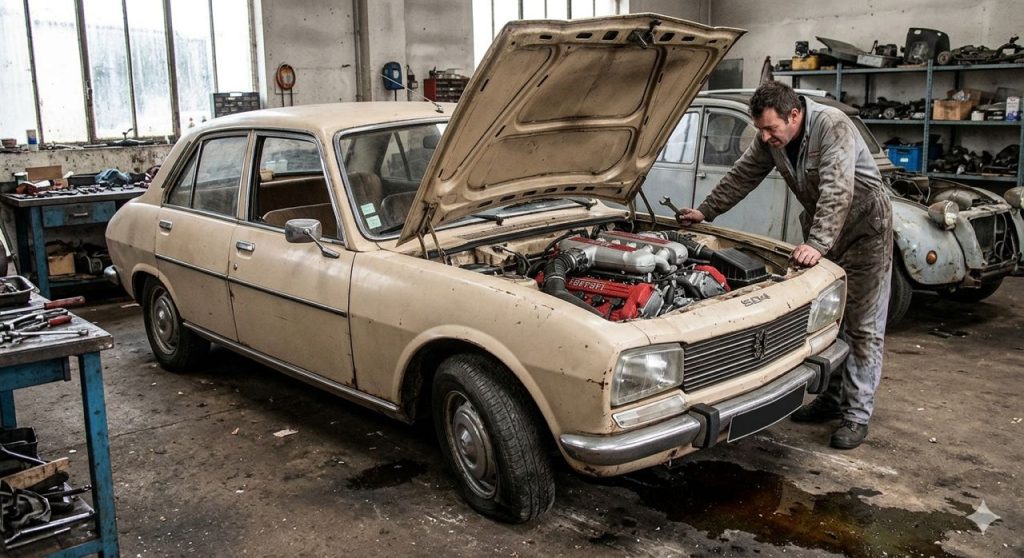
Imagine buying a beautiful new engine, dropping it into a body that was never built to carry it, and then standing at the roadside genuinely puzzled that the car keeps stalling.
Other News
That, in essence, is the story of the Nigerian Exchange’s move to a T+1 settlement cycle.
The engine is real and the engineering behind it is sound.
The body is the problem, and nobody seems to have checked the body.
Let me start with what is actually happening, because this is not a theoretical concern dreamed up in a research note. Turnover is falling. The market has slipped into a run of losses. And on the trading desks, something quietly alarming has taken hold. Some clients are choosing to stop trading before the closing bell, not because they have run out of ideas, but because they need to leave themselves room to actually settle what they have bought.
None of this is an argument against T+1 in principle. The logic is perfectly respectable. The United States made the move, the United Kingdom and Europe are heading the same way, and a shorter settlement cycle genuinely does reduce risk and free up capital. Nobody serious is arguing for the old world.
The argument is about sequence, about doing the right things in the wrong order, and we managed to move through 2 full settlement cycles in e8 months. Why ? What is the rush? There are more important reform conversations on the pecking order before T+1 settlement.
You need a good understanding of how the plumbing works. When an institutional investor buys Nigerian shares, it travels down a chain. The fund manager decides, then instructs their local custodian, who instructs the global custodian, who has to arrange two separate things at once, the shares on one side and the foreign exchange to pay for them on the other. Under the old T+2 world, that chain had time to breathe. Under T+1, the whole journey has to be completed in a few hours.
Now add the detail that makes the whole thing impractical. These global custodians, the firms that sit between the foreign money and our market will apply a cut off time to trade to ensure trades do not fail. So in a moment of real irony, the Exchange extended its trading hours to allow for more turnover, but if the custodians a re applying cut off periods, those extra hours buy you nothing. We lengthened the school day after the bus had already left. One reform has quietly cancelled out the other.
So what does a foreign fund actually do under these conditions? In practice, the only way to trade comfortably is to keep a pile of naira sitting in the market in advance, ready to deploy. Pre-fund, and wait. Most international funds are simply not built to do that, not in a frontier market with our recent currency history. And this is the quiet damage.
Some will say none of this should matter, that we should not be designing our market around foreigners. It sounds patriotic until you remember what we keep saying we want. LONG TERM CAPITAL FORMATION. We are essentially shooting ourselves in the foot.
Index inclusion is how a country lowers its cost of capital. It pulls in automatic flows, sharpens pricing, deepens the market, and tells the world’s serious investors that this place has crossed a line and become genuinely investable. Every bit of friction we add, every reason we give a custodian to sigh, pushes that line further away. T+1, brought in before the currency and custody plumbing was ready to support it, is one more piece of that friction.
To be fair, this is not a catastrophe. The market will keep running. Local investors will keep the numbers ticking over. And the recovery in company earnings that has fed the recent optimism is real. But we are doing something we have become genuinely good at, which is mistaking motion for progress. A market going up because everything is being repriced in a weaker naira is not the same as a market that actually works for everyone who might want to use it.
Someone wanted the headline, and the headline now reads that Nigeria is T+1, modern and in step with the world. The press release is written. The box is ticked. And then what ?
The Ferrari engine is in. The Peugeot is still a Peugeot. And here we stand at the roadside, bonnet open, wondering why we are not winning the race.