President Bola Tinubu has acknowledged that many Nigerians are still grappling with the impact of rising living costs and economic adjustments despite reforms implemented by his administration over the last three years.
Other News
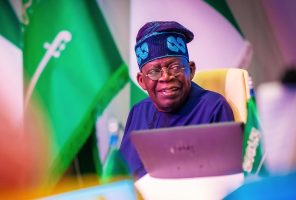
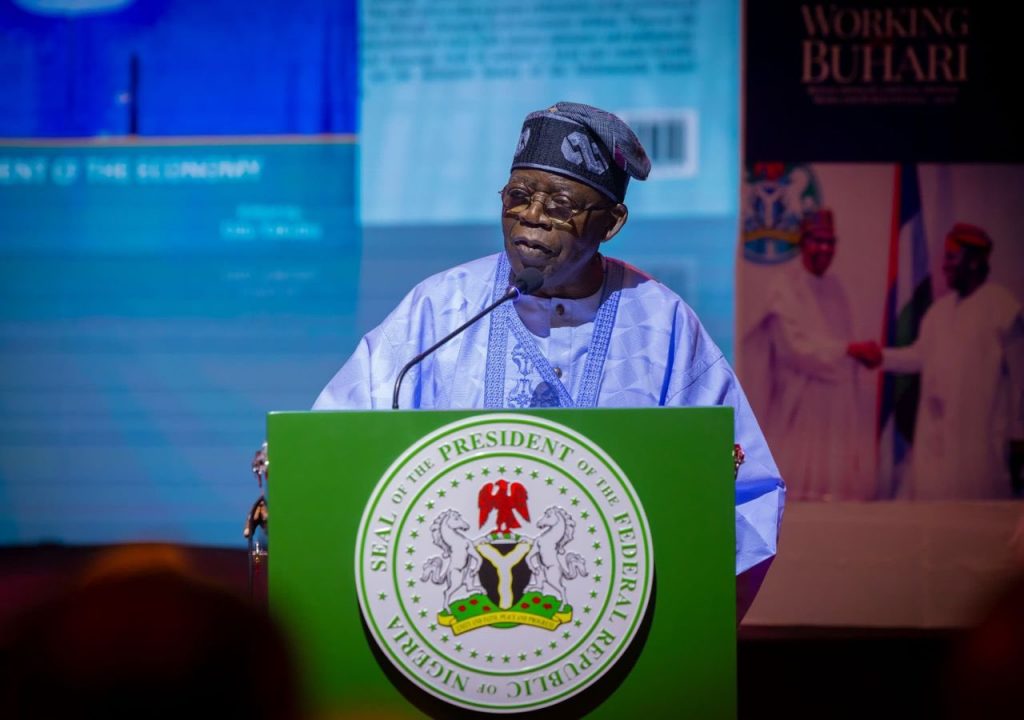
Tinubu stated this on Sunday while delivering his acceptance speech after emerging as the All Progressives Congress (APC) presidential flagbearer for the 2027 elections.
The President said that although his administration has recorded progress in stabilising the economy and implementing key reforms, the government remains aware of the hardship many Nigerians continue to face.
Nairametrics reported that Nigeria’s headline inflation rate rose to 15.69% in April 2026, up from 15.38% recorded in March, as Nigerians continue to battle with high costs of essential commodities.
What the President is saying
The President defended several economic decisions taken by his administration, including the removal of fuel subsidies and reforms in the foreign exchange market, describing them as necessary steps to stabilise the economy.
- “Yet, challenges remain. Many Nigerians still struggle with rising costs and economic adjustment. We do not dismiss these concerns; we understand them and govern not in comfort, but in reality, with honesty and action,” Tinubu said.
- According to him, the government moved away from “wasteful fuel subsidies, unstable exchange rates, and weak infrastructure,” adding that the country is beginning to witness positive signs across key economic indicators.
- Tinubu stated that the naira is strengthening, foreign reserves are rising, and the country’s economic outlook remains positive despite global inflationary pressures linked to geopolitical tensions in the Middle East and the ongoing Iran conflict.
He added that the administration has also improved fiscal coordination, revenue performance, and financial management as part of efforts to strengthen macroeconomic stability.M
More insights
The President highlighted achievements in the power sector, disclosing that his administration has supplied 2.5 million meters through the Presidential Metering Initiative to reduce the metering gap.
He also revealed that the Federal Government established a N4 trillion bond programme aimed at settling verified legacy debts owed to power generation and gas companies.
According to Tinubu, power generation has at times reached 6,000 megawatts under his administration, representing about a 50% increase compared to levels inherited by the government in 2023.
- “Our strategy is focused on redesigning the power sector into a bankable, investable, and capable sector that delivers power to homes and industries,” he stated.
The President further said his administration is prioritising infrastructure investments across roads, transportation, digital connectivity, housing, irrigation, airports, and seaports to drive inclusive growth.
He cited the construction of coastal superhighways and the Sokoto-Badagry route as part of efforts to develop durable infrastructure to support long-term economic growth.
Security concerns remain
Tinubu also acknowledged that insecurity remains a major concern in parts of the country, pledging that his administration would continue investing in security operations and reforms.
According to him, the government has intensified support for the armed forces and the police while investing in intelligence gathering, surveillance systems, and modern security equipment.
He also called on the National Assembly to amend the Constitution to allow the creation of state police, describing it as a matter of national emergency.
The President said the work of his administration remains unfinished and pledged to continue pursuing economic expansion, industrialisation, energy security, infrastructure development, and food sufficiency if re-elected.
- “With another four years of disciplined focus and national cooperation, we will firmly place Nigeria on an irreversible path of economic expansion, industrialisation, energy security, infrastructure development, food sufficiency, and democratic consolidation,” he said.
Tinubu also called for national unity and political cooperation, urging Nigerians across regional and political divides to work together in building the country.
What you should know
Beyond the general inflation in the economy, Nigerians experienced higher costs of food in April, making life more difficult for several households.
Nigeria’s food inflation rate rose above the country’s all-item inflation rate in April 2026 for the first time in eight months, signalling renewed pressure on household food costs despite broader moderation in headline inflation.
Analysis by Nairametrics using data compiled by Nairalytics from the National Bureau of Statistics (NBS) Consumer Price Index (CPI) reports showed that food inflation stood at 16.06% in April 2026, slightly higher than the all-item inflation rate of 15.69%.