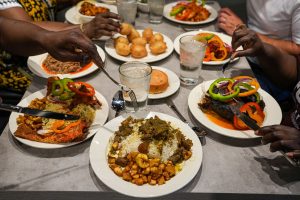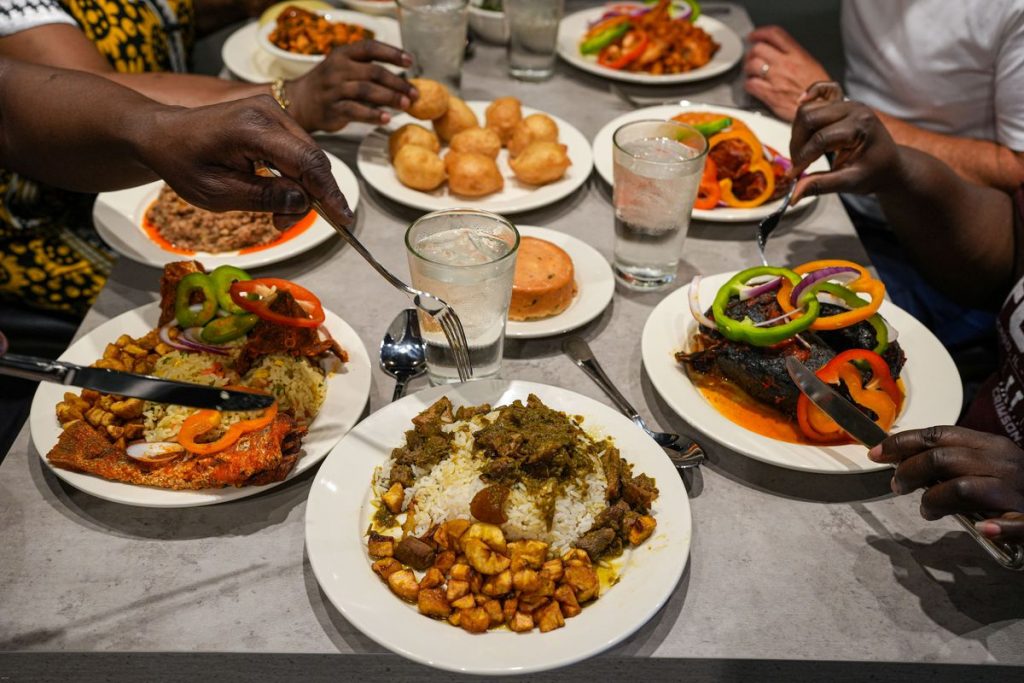
Nigeria’s food affordability crisis deepened in February 2026 as the average daily cost of maintaining a healthy diet climbed to N1,513 per adult.
Other News
This is according to the latest Cost of a Healthy Diet (CoHD) report released by the National Bureau of Statistics (NBS).
The report showed that the figure increased by 3.76% from N1,458 recorded in January 2026 and rose by 12.4% compared to N1,346 in February 2025, underscoring persistent pressure on household incomes amid rising food prices across the country.
The NBS explained that the Cost of a Healthy Diet measures the least expensive combination of locally available foods capable of meeting internationally recommended nutritional requirements for an adult per day, excluding transportation and cooking costs.
What the report is saying
The report highlights widening regional disparities in the cost of accessing balanced nutrition across Nigeria. While some regions recorded significantly higher food costs, others remained relatively more affordable.
- The South-East recorded the highest average CoHD at N1,889 per adult per day, followed by the South-West at N1,786.
- The North-East remained the most affordable region, with an average daily healthy diet cost of N1,160.
- At the state level, rural Borno recorded the lowest daily cost at N797 per adult.
The NBS noted that food price differences across states and regions continue to reflect disparities in food availability, transportation costs, and market conditions nationwide.
More insights
The report showed that animal-source foods accounted for the largest share of healthy diet costs, contributing 39% of total CoHD despite supplying only 13% of calorie intake.
- Fruits and vegetables contributed 30% of total diet costs while accounting for just 12% of calorie consumption.
- Legumes, nuts, and seeds remained the cheapest food category, representing only 7% of total costs.
- Although prices of starchy staples declined slightly, rising costs of fruits, legumes, and animal products pushed overall diet expenses higher.
The NBS also observed sharp variations in the affordability of key food items across locations. In urban Ekiti, white beans emerged as the cheapest legume option, while soya beans were most affordable in rural Borno. For protein sources, shrimps were cheapest in urban Ekiti, while fresh milk (nono) ranked as the most affordable animal-source food in rural Borno.
Get up to speed
Nigeria has continued to face mounting food inflation pressures driven by high transportation costs, insecurity in farming communities, currency depreciation, and supply chain disruptions.
- Rising energy and logistics costs have significantly increased the movement cost of agricultural produce nationwide.
- Flooding, insecurity, and low farm productivity have also affected food supply and availability in several regions.
- Inflationary pressures have weakened household purchasing power, making balanced nutrition increasingly difficult for low-income earners.
The NBS further noted that the Cost of a Healthy Diet has been rising faster than both headline inflation and food inflation, although it clarified that the indicators are calculated using different methodologies and food baskets.
What you should know
Nairametrics reported earlier that food prices in Nigeria have remained persistently high despite government interventions and food imports valued at N7.65 trillion in 2025.
- Authorities have intensified efforts to boost domestic food production through mechanisation and expanded dry-season farming initiatives.
- Government agencies have also introduced interventions targeted at improving storage infrastructure and reducing post-harvest losses.
Nigeria’s headline inflation rate rose to 15.69% in April 2026, up from 15.38% recorded in March.
- Food inflation rose to 16.06% year-on-year, although significantly lower than the 24.68% recorded in April 2025.