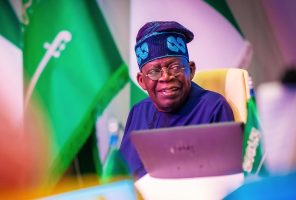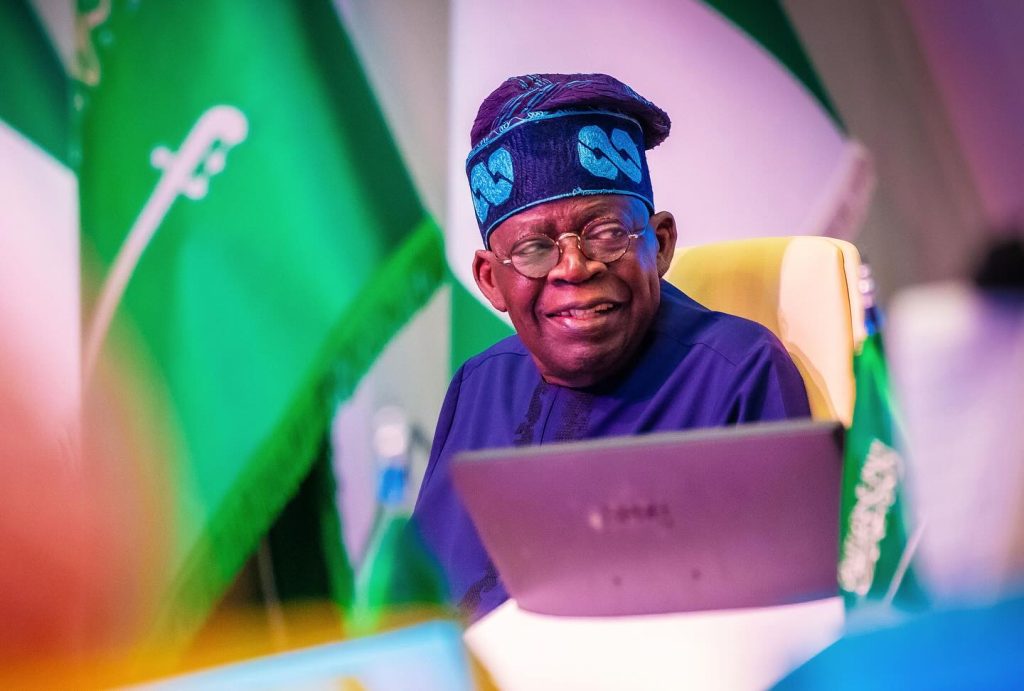
President Bola Tinubu has said the removal of fuel subsidy by his administration saved Nigeria from imminent bankruptcy and helped lay the foundation for the country’s economic recovery.
Other News
The disclosure was contained in a statement issued on Friday by Bayo Onanuga, Special Adviser to the President on Information and Strategy, following a meeting between the President and state governors at the Presidential Villa.
Tinubu said the decision, though painful and widely criticised at the time, prevented fiscal collapse and enabled the government to reset the economy through a series of reforms.
What they are saying
President Bola Tinubu said the removal of fuel subsidy was a difficult but necessary decision to stabilise Nigeria’s public finances and prevent bankruptcy.
- “President Bola Ahmed Tinubu on Friday said the removal of fuel subsidy by his administration saved the country from imminent bankruptcy and laid the foundation for the gradual recovery of the nation’s economy.”
- “He spoke when he hosted state governors who came to celebrate with him the Sallah and the third anniversary of the administration,” the statement read in part.
According to the statement, the President acknowledged that the policy attracted litigation, criticism, and significant public hardship when introduced.
He maintained that Nigeria has since weathered the initial shock and is now on a recovery path.
He added that the economy is improving, with renewed growth in key sectors, particularly agriculture. According to him, investments in infrastructure, housing, and agriculture are beginning to yield results, including the rehabilitation of abandoned road projects and execution of new ones across the country.
More insights
The President commended state governors for supporting the reform agenda and sustaining public confidence during the adjustment period.
He said many states are now in stronger financial positions due to ongoing economic reforms. States are now less dependent on federal government interventions and borrowing to meet recurrent obligations such as salary payments, he noted.
- “I’m glad governors are no longer borrowing from the federal government and asking for interventions and not knowing how to survive, how to pay salaries, no more… Today, the benefits are showing,” Tinubu said.
- Tinubu said the reform period has helped “reset” the economy and improve fiscal stability across tiers of government.
- He noted that macroeconomic indicators are gradually improving under the ongoing policy framework.
- The administration pledged continued collaboration with states to strengthen food security and agricultural production.
Vice President Kashim Shettima also defended the subsidy removal, describing it as a courageous decision that addressed long-standing distortions and corruption in the fuel subsidy regime. He added that the administration acted at a critical time when structural reforms were unavoidable.
What you should know
The removal of petrol subsidy in 2023 remains one of the Tinubu administration’s most significant economic reforms, fundamentally altering Nigeria’s fiscal and revenue framework.
- Analysts estimate the policy is saving between N4 trillion and N6 trillion annually in subsidy expenditure.
- FAAC allocations rose to N2.036 trillion in March 2026, compared to N629 billion in March 2023.
- The Central Bank of Nigeria’s “Ways and Means” financing was discontinued to curb liquidity pressures and inflation.
- FX reforms aimed at unifying exchange rate windows have improved transparency but left the naira volatile.
However, the reforms also triggered immediate increases in fuel prices, transportation costs, and food inflation, putting pressure on household incomes and small businesses.
Dr. Almarouf Ojelabi of the University of Abuja had told Nairametrics that subsidy removal and FX reforms were inevitable policy decisions that previous administrations avoided due to political concerns.