 Follow Us on Google Discover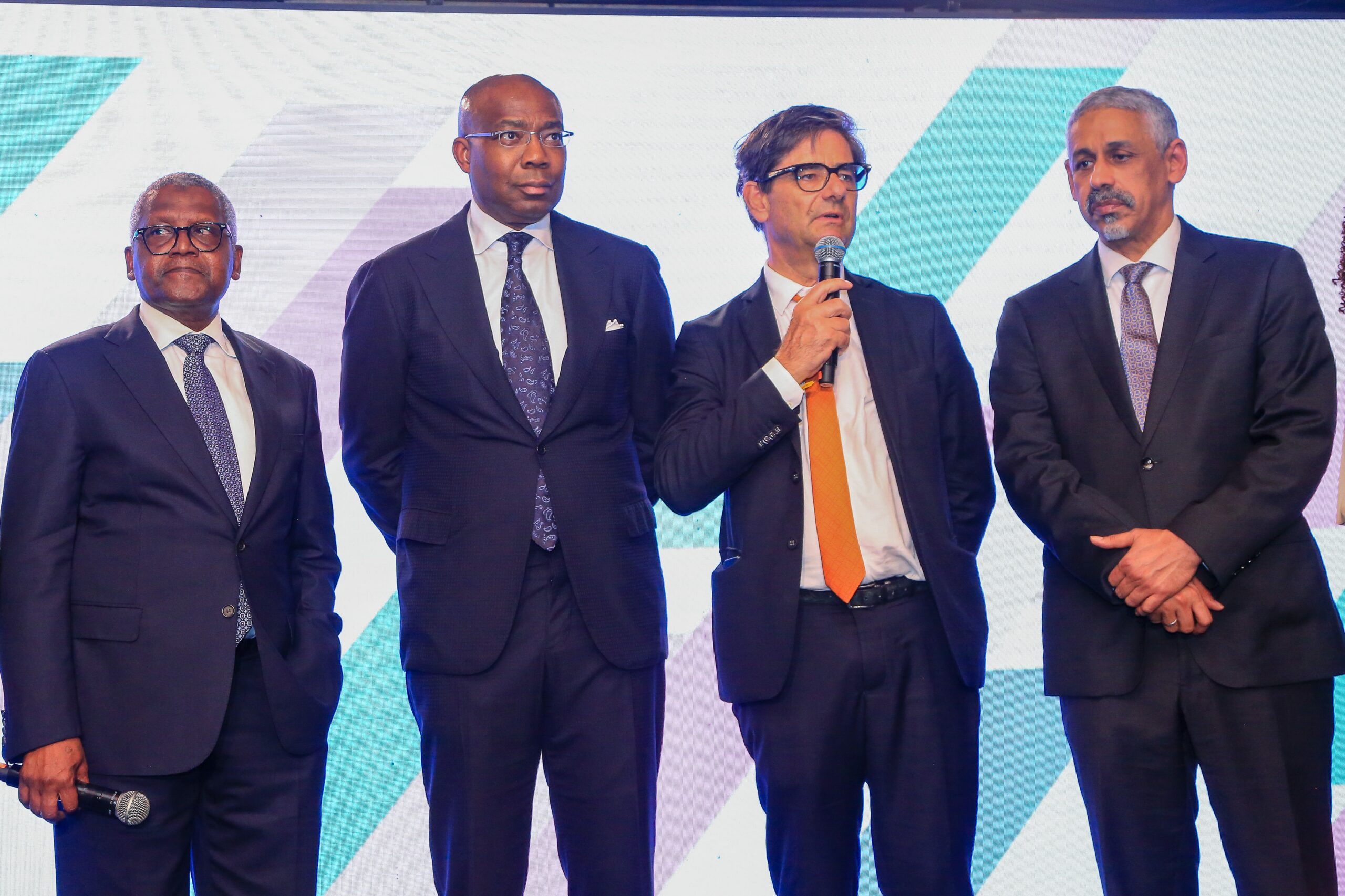
At the Africa Forward Summit 2026 in Nairobi, Kenya, Aigboje Aig‑Imoukhuede, CFR, Chairman of Access Holdings PLC and President of the France Nigeria Business Council (FNBC), delivered a message that was both clear-eyed and forward-looking: Africa’s moment is here, but real transformation will depend on deliberate action, not promise.
Framing his intervention around a shifting global order, he emphasised that the continent is no longer peripheral to global dynamics but deeply embedded within them.
As supply chains realign, capital becomes more selective, and geopolitical alliances evolve, Africa’s demographic strength, resource base, and entrepreneurial energy position it as a key driver of future global growth.
A Personal Lens on a Continental Question
Aig‑Imoukhuede’s remarks were anchored in a deeply personal reflection, one that has defined his career spanning over three decades in banking and institution-building across Africa. He traced his journey back to a single, defining question: how Africa can close the development gap with the rest of the world.
Also Read
This long-standing focus, he noted, has guided his efforts not just in building businesses, but in establishing institutions capable of supporting large-scale transformation across the continent. Today, those efforts are reflected in financial platforms connecting about millions of Africans to global markets.
Africa’s Opportunity and Its Reality Check
Set against the backdrop of global uncertainty, his intervention highlighted Africa’s strategic importance in the decades ahead. The continent’s growth story, driven by population expansion, urbanisation, and innovation, remains one of the most compelling in the world.
But the most striking element of his message was its realism.
“Africa is not on the margins of global change; it is at the centre. But potential alone will not deliver transformation; capital mobilisation, institutional strength, and execution will,” stated Aig-Imoukhuede.
This framing moved the conversation beyond optimism to accountability. For Aig‑Imoukhuede, the real work lies in translating potential into measurable outcomes through strong and sustainable institutions, consistent policy execution, and the ability to attract and deploy long-term capital effectively.
From Promise to Performance
A recurring theme throughout his remarks was the idea that Africa must shift from narratives of promise to a culture of disciplined execution. Natural resources, demographic advantages, and market opportunities, while important, do not automatically translate into prosperity.
Instead, he underscored the importance of mobilising domestic and international capital at scale that build resilient, trusted institutions, and creaate policy environments that reward long-term investment.
Without these, Africa risks underperforming despite its inherent advantages.
Reimagining Africa–Europe Engagement
At the summit, Aig‑Imoukhuede called for a redefinition of the nature of Africa’s partnerships, particularly with Europe.
“The next 50 years cannot simply be aid, extraction, or symbolic partnership. It must become co‑building,” he said.
This concept of co-building, spanning infrastructure, financial systems, technology ecosystems, and industrial capacity, signals a shift toward deeper, more strategic collaboration. It positions Africa not as a beneficiary, but as an equal partner in shaping shared economic outcomes.
Importantly, he also underscored the mutual nature of this opportunity, noting that Europe’s long-term competitiveness will increasingly depend on its engagement with Africa as a market, talent pool, and strategic ally.
A Call for Collective Action
Aig‑Imoukhuede’s intervention was ultimately a call to action. He challenged leaders across Africa and Europe to rethink their approach, moving from incremental commitments to bold, coordinated efforts that can unlock large-scale transformation.
This includes mobilising Africa’s own savings for development, investing in critical infrastructure such as energy and logistics, and prioritising long-term value creation over short-term returns.
Underlying this was a broader appeal for a shift in mindset, from individual or national interests to collective continental progress. Only through this lens, he suggested, can partnerships evolve into the kind of enduring alliances needed to navigate an increasingly complex world.
Defining the Next Chapter
As discussions at the Africa Forward Summit 2026 concluded, Aig‑Imoukhuede’s message stood out for its clarity and urgency. Africa’s position at the centre of global change is no longer in question. What remains uncertain is whether stakeholders, across governments, institutions, and markets, will act with the scale, discipline, and ambition required to translate that position into lasting transformation.
In Nairobi, the challenge was laid bare. The next move belongs to those ready to build.

NM Partners features content from corporate organizations, institutions, and other stakeholders. Some posts are sponsored.
Publication does not imply endorsement. Views expressed are solely those of the contributors.
For more details, please see our Nairametrics Media Partnership Guidelines or contact [email protected].