 Follow Us on Google Discover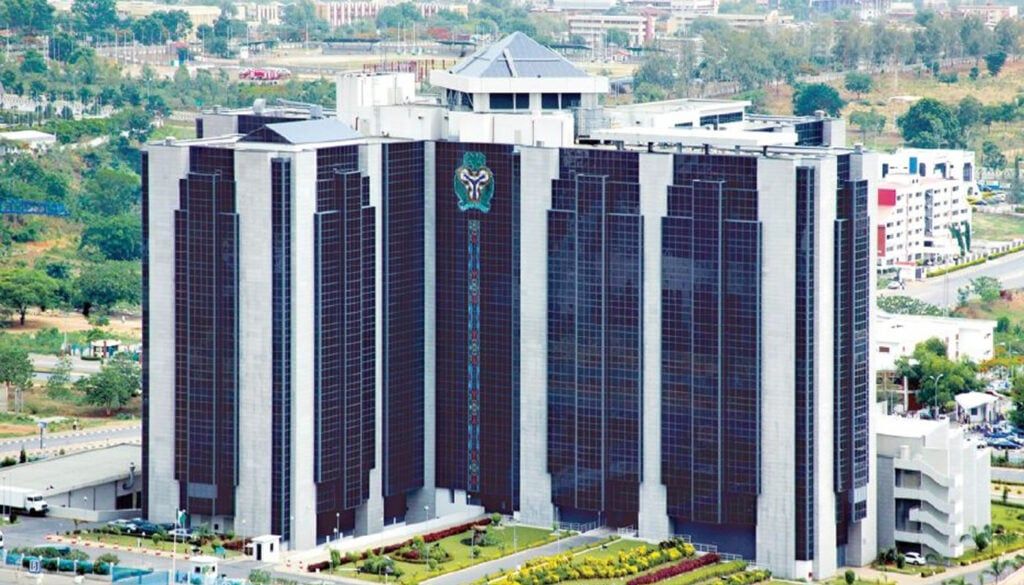
The Central Bank of Nigeria (CBN) has launched the 4th Edition of the Foreign Exchange (FX) Manual as part of ongoing reforms aimed at improving transparency, liquidity, and confidence in the Nigerian FX market.
The manual was unveiled on Friday in Abuja by CBN Governor, Mr. Olayemi Cardoso, and is set to take effect from June 1, 2026.
Key changes include an increase in the allowable advance payment for imports from 15% to 30%, along with several regulatory updates aimed at modernizing FX administration.
The updated FX Manual also serves as a reference guide for market participants, harmonizing procedures, standardizing market practices, and providing a framework supported by strong institutional oversight to instill confidence in domestic and international investors.
Also Read
What the CBN Governor is saying
Addressing banks’ Managing Directors and stakeholders at the launch, Governor Cardoso emphasized that the revised manual strengthens Nigeria’s macroeconomic foundations and enhances FX market transparency.
- “In today’s global environment, marked by volatility and complex cross-border financial flows, the integrity of a country’s FX governance framework is essential for sustaining resilience and confidence,” Cardoso said.
He noted that the manual aligns with international best practices and reflects extensive consultation and technical review.
The Governor highlighted that the last edition was issued in 2018, making this update timely and critical for evolving domestic and global economic conditions.
Cardoso also stressed that ongoing FX reforms, including this manual, aim to provide a forward-looking regulatory framework to enhance clarity, consistency, and market efficiency.
More insights
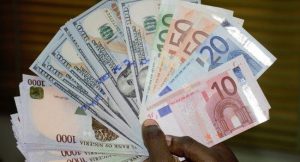
The revised FX Manual introduced several significant changes to streamline FX operations for individuals and businesses.
The Personal Travel Allowance (PTA) and Business Travel Allowance (BTA) disbursements will now be 75% electronic and 25% cash.
- The allowable advance payment for imports has been increased from 15% to 30%.
- Free processing of Form NXP has been introduced, alongside provisions for service exports, PAPSS transactions, remittances by tech firms, and non-resident investment accounts.
- Payments for services, tuition fees (up to $25,000 per semester), and fees with foreign currency receipts are now allowed.
Export proceeds holders and ordinary domiciliary account holders enjoy unrestricted access, with 100% repatriation for foreign extractive companies, and Form A is no longer required for domiciliary remittances.
The manual is designed to reduce bottlenecks and improve operational efficiency for Authorized Dealers, corporates, and other FX stakeholders.
Cardoso urges compliance
Governor Cardoso called on all market participants, including banks, MDAs, exporters, importers, and the private sector, to adhere strictly to the manual to ensure the success of the reforms.
- “Your cooperation is indispensable, and your partnership remains central to the stability and credibility of the Nigerian FX market,” he said.
The CBN emphasized that the manual will be available to Authorized Dealers at no cost to encourage compliance.
The bank also pledged to strengthen monitoring to ensure fairness, consistency, and accountability in the system.
What you should know
According to the Financial Market Dealers Association (FMDA), Nigeria’s FX market recorded strong structural growth in 2025, with autonomous inflows accounting for 64.94% of total FX inflows.
Autonomous inflows rose to $72.91 billion in 2025, up from $59.29 billion in 2024, while total FX inflows increased to $112.27 billion from $99.44 billion in 2024, reflecting growing private sector participation and confidence in the FX market.

Israel Ojoko is a dynamic journalist renowned for his in-depth coverage and insightful analysis on a diverse range of topics. With a keen eye for detail and a passion for storytelling, Israel has penned impactful articles on the economy, political developments, fintech, and cybersecurity, among many others. His dedication to uncovering the multifaceted narratives has established him as a trusted voice and influential figure in contemporary journalism.