 Follow Us on Google Discover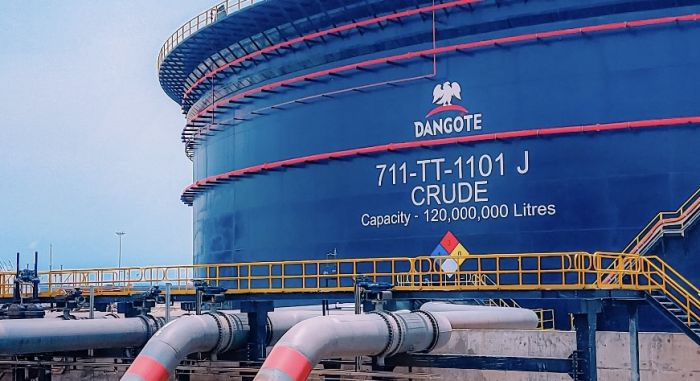
Dangote Petroleum Refinery has reduced the ex-depot price of aviation fuel (Jet A1) from N1,750 to N1,650 per litre.
The refinery disclosed the development in a statement issued on Monday, describing the move as part of broader efforts to ease operational pressures on airline operators and ensure stable fuel supply across the country.
The announcement comes at a time when rising aviation fuel costs continue to strain Nigeria’s airline industry and push up ticket prices.
What the refinery is saying
The refinery said it would also introduce a 30-day interest-free credit facility for marketers and airline operators, backed by bank guarantees, while transitioning from a dollar-based pricing structure to a naira-denominated model for Jet A1 transactions.
Also Read
- “This is in addition to a 30-day interest-free credit facility backed by bank guarantees (BG) for marketers and airline operators and a shift from a dollar-denominated pricing structure to a naira-based model.”
The company noted that the initiatives are designed to strengthen Nigeria’s aviation value chain and reduce the financial burden on operators already grappling with elevated operating costs.
Context
The latest reduction comes amid persistent concerns from domestic airlines over the rising cost of aviation fuel, which remains one of the largest components of airline operating expenses in Nigeria.
- Several domestic carriers have recently warned that high Jet A1 prices could force route adjustments, flight reductions and further fare increases.
- The reduction in ex-depot pricing is expected to improve airline cash flow and potentially moderate ticket prices on domestic routes.
The Federal Government had recently moved to stabilise the aviation sector amid mounting concerns over possible disruptions linked to rising fuel prices.
- In April, the Nigerian Midstream and Downstream Petroleum Regulatory Authority reportedly engaged airline operators, fuel marketers and other stakeholders in discussions aimed at preventing a fuel supply crisis.
- Part of the intervention included proposals to cap jet fuel prices and provide credit support for airlines struggling with liquidity constraints.
- Aviation stakeholders had warned that sustained increases in Jet A1 prices could force airlines to cut capacity or pass additional costs on to passengers.
What you should know
In April, Nigerian airlines threatened to suspend operations nationwide from April 20, 2026, following a sharp surge in Jet A1 prices that has pushed aviation fuel above N3,000 per litre.
The continued rise in aviation fuel prices is partly linked to geopolitical tensions in the Middle East, which led to restrictions around the Strait of Hormuz, a key channel responsible for about 20% of global energy shipments.
However, the Middle East tensions have driven global pricing indices such as Platts on an upward trend in recent weeks. The rise in Platts has translated into higher landing costs for aviation fuel despite local sourcing.

Olalekan Adigun is a seasoned political analyst and writer with extensive experience in crafting compelling narratives and executing strategic initiatives. Known for his insightful commentary on governance, policy, and socio-economic issues, he has contributed to various national and international platforms.