 Follow Us on Google Discover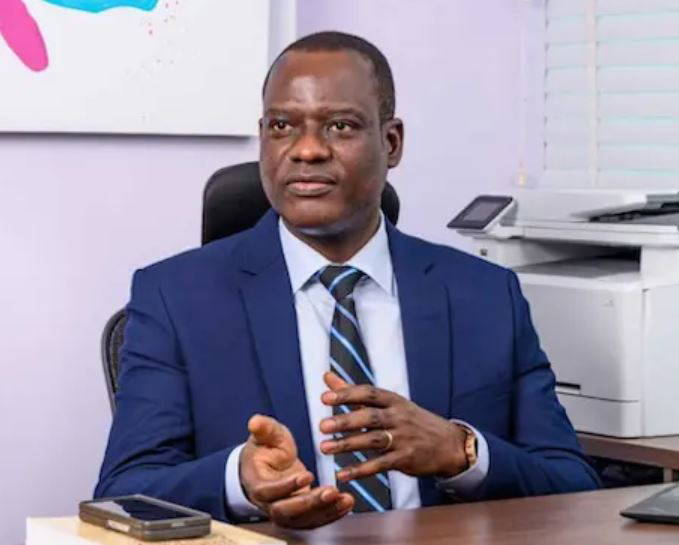
The Federal Government has acknowledged the International Monetary Fund’s (IMF) concerns over rising poverty and food insecurity in Nigeria, while insisting that ongoing economic reforms are laying the foundation for sustainable and inclusive growth.
The response follows the IMF’s 2026 Article IV consultation, which commended Nigeria’s macroeconomic reforms but warned that 63% of Nigerians remain below the national poverty line and an estimated 27 million people faced food insecurity in late 2025.
The Fund also advised against a return to petrol subsidies despite the social pressures created by the reforms.
Reacting to the report, the Minister of Finance and Coordinating Minister of the Economy, Taiwo Oyedele, said the government’s priority is to ensure that recent economic gains translate into tangible improvements in the welfare of ordinary Nigerians.
Also Read
What FG is saying
The finance minister said the reforms introduced under the current administration are designed to deliver long-term economic stability while improving living conditions.
According to Oyedele:
- “The ultimate objective of these reforms is not merely improved economic indicators, but better outcomes for every Nigerian – lower inflation, decent jobs, higher incomes, greater economic opportunity, and a better quality of life.”
The minister said the government is strengthening social protection programmes through direct cash transfers, support for small businesses, student loans under the Nigerian Education Loan Fund (NELFUND), consumer credit schemes and healthcare interventions.
He added that investments in agriculture, including the Renewed Hope National Agricultural Mechanisation Programme, are aimed at boosting food production, moderating food inflation and creating jobs.
Oyedele also said the federal government welcomed the IMF’s assessment of ongoing tax reforms and improvements in public financial management.
The minister noted that the IMF projects Nigeria’s economy to grow above 4% over the medium term, supported by stronger investment, higher fiscal revenues, and improved external reserves.
Backstory
The IMF’s latest Article IV consultation acknowledged that Nigeria’s economic reforms over the past three years have strengthened macroeconomic stability and improved the country’s resilience to external shocks.
The IMF estimated that Nigeria’s economy grew by 4% in 2025 and projected growth at 4.1% in 2026 despite persistent inflationary pressures and higher transportation and food costs weighing on economic activity.
IMF noted that Nigeria’s external reserves also recorded improvements during the review period. Gross international reserves rose to $46 billion in 2025 from $40 billion at the end of 2024, supported by current account surpluses, foreign participation in central bank open market operations, and a Eurobond issuance.
Net international reserves increased to $35 billion at the end of 2025 from $23 billion recorded a year earlier.
What you should know
Recently, the World Bank raised concerns over the inefficiency of Nigeria’s social safety net programmes, revealing that despite more than half of the beneficiaries being poor, the majority of the country’s poor population remains unreached.
The IMF’s latest assessment suggests that Nigeria’s economy is becoming more stable and resilient, but the social benefits of recent reforms are yet to be fully realised.
The economy is projected to continue expanding, while stronger foreign reserves and improved fiscal management provide greater protection against external shocks.
The ongoing Middle East conflict presents a mixed outlook for Nigeria. Higher global oil prices could boost export earnings and government revenues, but rising fuel, food, and fertiliser costs may increase inflation and worsen household hardship.

Olalekan Adigun is a seasoned political analyst and writer with extensive experience in crafting compelling narratives and executing strategic initiatives. Known for his insightful commentary on governance, policy, and socio-economic issues, he has contributed to various national and international platforms.