 Follow Us on Google Discover
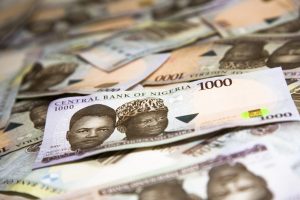
Latest market action shows the Nigerian currency is quite bullish against the US dollar.
It is worth noting that the Nigerian currency has made a notable comeback against the US dollar in the first half of May.
The currency pair has dropped significantly below the notable psychological level of N1,400/$.
In fact, it is now testing lower support levels like N1,350/$ mark.
Also Read
It is important to note that the psychological level and support structure are crucial.
The Nigerian naira may strengthen below the N1320/$ area if the NGN bulls maintain their bullish momentum
Typically, the most important task for the Central Bank of Nigeria (CBN) in this situation would be to achieve medium-term stabilization of the Nigerian naira.
According to recent news, there has been a significant increase in Forex inflows from foreign investors, exporters, and oil companies.
Market participants explain that the attractive returns on the Nigerian debt market attracted foreign investment, leading to the availability of Naira supporting funds.
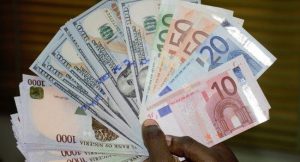
There is a gap between the Nigerian foreign exchange market and the black market, but it is gradually narrowing between the rates in the official and parallel markets. The street rate was about N1,404/$, while the official rate was N1,356/$.
The narrowing difference between these two rates is a positive sign that the markets are coming together.
The US Dollar Index (DXY), which gauges the greenback strength against six global currencies, is trading at about 98.1 in the London trading session, maintaining some bullish momentum after posting losses on Friday.
US dollar strengthen in global foreign exchange market
The US dollar strengthened amid rising risk aversion after Iran and US President Donald Trump rejected each other’s most recent peace proposals to end the Middle East conflict. US President Trump rejected Iran’s most recent peace proposal, calling it “totally unacceptable”.
- Iranian state television reported that an Iranian official stated that Tehran’s response focused on resolving the conflict on all fronts, especially in Lebanon, and addressing the security of shipping routes through the strait. However, no information was given regarding how or when the vital waterway could reopen.
The protracted conflict in the Middle East and the precarious ceasefire between the US and Iran may sustain demand for the US dollar as a haven, which could have an immediate negative impact on the major currency pair.
- Nonfarm Payrolls (NFP) increased by 115K in April, according to data released by the US Bureau of Labor Statistics on Friday.
This is less than the 185K reading for March, but it is still higher than the 62K market estimate. In April, the unemployment rate stayed steady at 4.3 percent, which was in line with analysts’ projections.
- Meanwhile, Gold starts the new week lower and remains stuck below the $4,700 mark in the London trading session as traders increase their buying momentum on the greenback. Ongoing geopolitical uncertainties and hawkish US Federal Reserve (Fed) expectations support the US dollar’s reserve currency status, which works against the yellow metal.
However, due to the lack of follow-through selling, there should be some caution before confirming that the recent goodish rebound from the $4,500 psychological mark, or over a one-month low touched last week, has run out of steam.
Hopes for a peace deal between the United States and Iran and de-escalation vanished as hostilities in the Strait of Hormuz resumed.
Additionally, President Donald Trump and the Persian country rejected each other’s peace proposals for ending the conflict and gradually reopening the Strait of Hormuz amid stark disagreements over Iran’s nuclear program.

Olumide Adesina is a financial market writer, analyst and investment trader. Message Olumide on Twitter @Olumidecapital