 Follow Us on Google Discover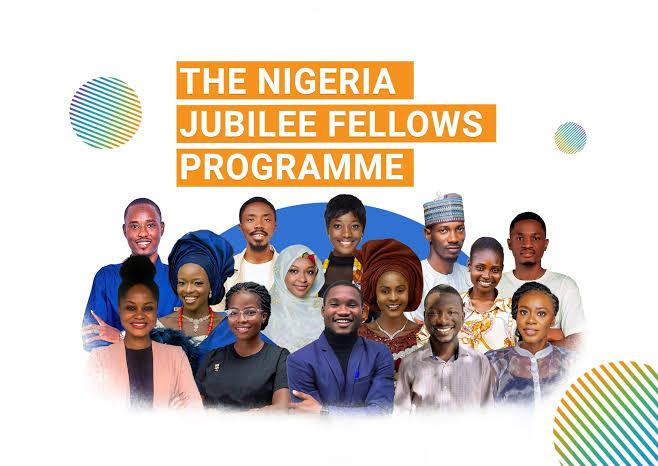
The Nigeria Jubilee Fellows Programme (NJFP) has recorded over 21,000 graduate placements across more than 4,900 host organisations nationwide since its launch in 2021.
This is according to a statement released by the programme following its NJFP 2.0 Employers’ Forum held in Lagos last week.
The NJFP is a Federal Government initiative funded by the European Union and implemented by the United Nations Development Programme (UNDP).
It is designed to place graduates in 12-month work placements aimed at improving employability and addressing persistent skills gaps in Nigeria’s labour market.
Also Read
What they are saying
At the NJFP 2.0 Employers’ Forum, the programme said the 21,000 placements reflect its expanding footprint in structured graduate work placements across Nigeria, covering sectors such as financial services, manufacturing, telecommunications, energy, and agribusiness.
- “Since its launch in 2021, NJFP has placed over 21,000 graduates across more than 4,900 host organisations nationwide, significantly reducing the average time it takes young Nigerians to transition into employment.
- “Fellows undergo structured workplace readiness training and are deployed across key sectors including financial services, manufacturing, telecommunications, energy, and agribusiness,” the statement read in part
It added that fellows receive structured workplace readiness training before deployment across sectors including financial services, manufacturing, telecommunications, energy, and agribusiness.
Speaking at the forum, the Chairman of the Lagos State Civil Service Commission, Boladele Dapo-Thomas, who represented Lagos State Governor Babajide Sanwo-Olu, said the initiative highlights the importance of collaboration between government, development partners, and the private sector in tackling youth unemployment.
She noted that the European Union has continued to support the programme while the UNDP handles implementation, adding that employers’ participation remains critical.
She further stated that employer engagement goes beyond corporate involvement and contributes directly to national development through skills transfer and mentorship.
More insights
The Senior Special Assistant to the President on Delivery and Coordination in the Office of the Vice President, Akubo Adegbe, said the programme was designed to bridge the gap between graduate skills and labour market requirements.
- He described the challenge as a “chicken and egg” situation, where employers demand experience while graduates are unable to gain experience without employment opportunities.
- He explained that the government is addressing this gap through structured fellowship programmes that prepare young people for the workplace.
- He noted that employers often cite lack of experience as a barrier to hiring graduates, while graduates require employment to gain the experience needed, stressing the need for structured interventions to break the cycle.
The Head of Section, Green and Digital Economy at the European Union Delegation to Nigeria and ECOWAS, Inga Stefanowicz, said EU support is focused on strengthening the connection between skills development and access to employment opportunities.
The UNDP Resident Representative in Nigeria, Ms. Elsie G. Attafuah, also said the forum highlights the importance of sustained collaboration between government, employers, and development partners in improving workforce development outcomes.
Get up to speed
The NJFP was launched in 2021 as a youth employment intervention aimed at addressing graduate unemployment by placing young Nigerians in 12-month paid fellowships. The programme is designed to provide work experience, training, and exposure to improve employability.
- In October 2025, the programme entered its second phase. Ahead of the launch, the Vice President inaugurated the Project Steering Committee and urged members to ensure the initiative remains inclusive and reaches all parts of the country.
- In 2022, the European Union committed €44 million to support the programme, with a target of reaching 20,000 Nigerian youths through structured placements across public and private sector organisations.
Since then, the programme has expanded its reach across thousands of host organisations nationwide amid ongoing concerns around graduate unemployment and skills mismatch in Nigeria’s labour market.
What you should know
Nigeria continues to face persistent youth unemployment and a structural mismatch between graduate skills and labour market demand, prompting a range of government-led interventions aimed at expanding job creation and employability.
- In April 2025, the federal government introduced the Labour Employment and Empowerment Programme (LEEP), targeting the creation of 2.5 million jobs over two years. The initiative focuses on upskilling and reskilling Nigerians to improve readiness for both current and emerging job opportunities, particularly in technology-driven sectors.
- In October 2025, the government also launched the National Job Centre Project, a network of employability hubs designed to improve access to job information and placement support through digital job matching, data tracking, and career advisory services.
Separately, efforts involving the Corporate Affairs Commission (CAC) and the Small and Medium Enterprises Development Agency of Nigeria (SMEDAN) include free business name registration for young entrepreneurs, aimed at encouraging formalisation of small businesses and expanding access to official enterprise structures.

Caleb Obiowo is a graduate of Urban and Regional Planning from the University of Uyo. At Nairametrics, he covers transport and logistics in Nigeria, along with real estate, construction, and aviation. He focuses on delivering clear, easy-to-understand stories and often digs deeper into industry issues through conversations with key players.