 Follow Us on Google Discover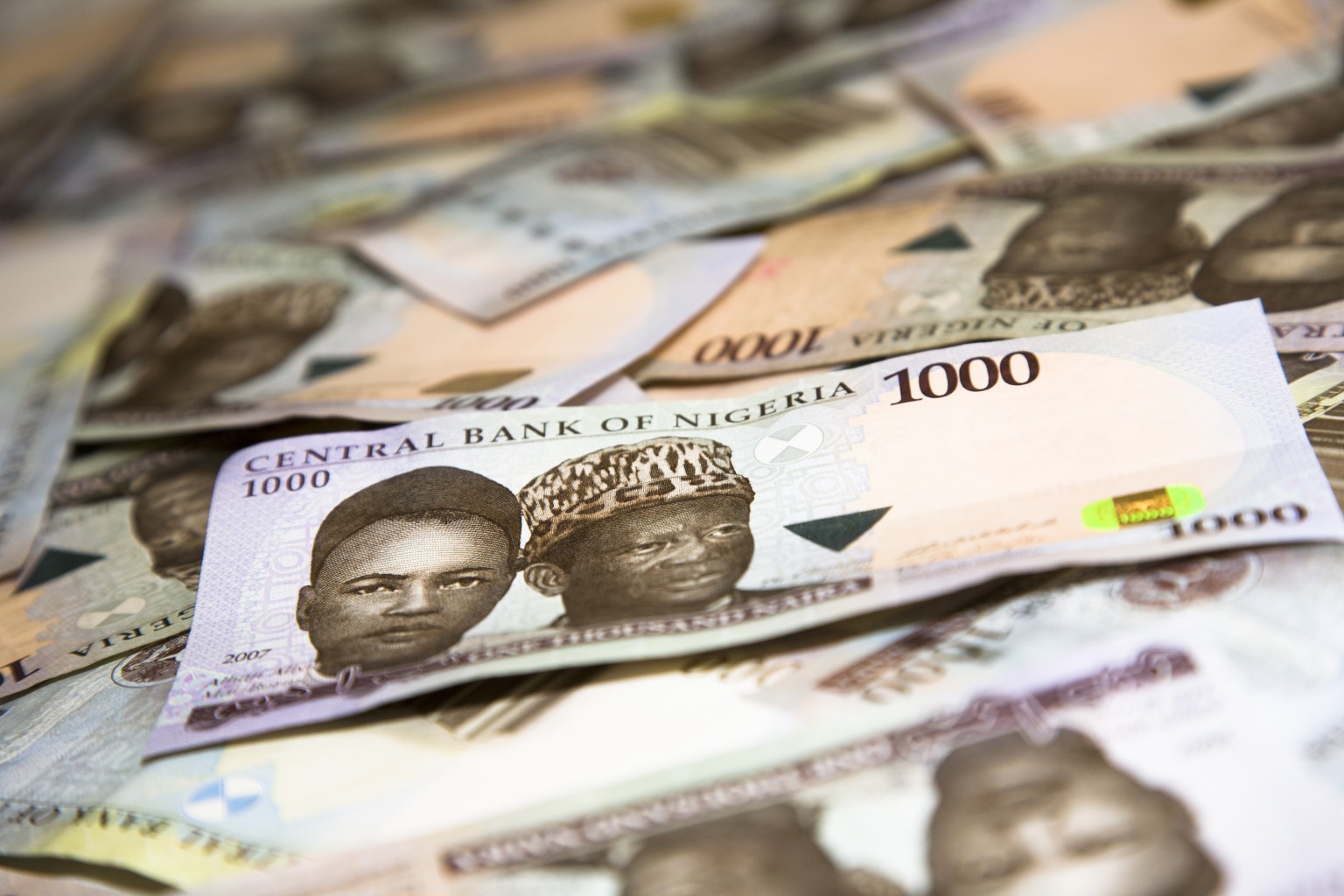
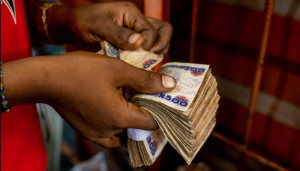
Nigeria’s broad money supply (M3) increased to N124.99 trillion in April 2026, reflecting continued liquidity expansion within the financial system despite ongoing monetary tightening measures by the Central Bank of Nigeria (CBN).
Latest monetary data showed that broad money supply rose from N123.12 trillion recorded in February 2026, representing an increase of nearly N1.87 trillion within the two-month period.
However, the CBN did not publish data for March 2026, leaving a gap in the reporting cycle.
The development comes as monetary authorities continue efforts to balance inflation management with economic growth support. Broad money, or M3, captures the total liquidity available for spending, investment and lending, including currency in circulation, demand deposits, savings, time deposits and foreign currency holdings.
Also Read
What the data is saying
The latest figures showed increases across key monetary aggregates, highlighting continued growth in liquidity within the banking system.
- On a year-on-year basis, money supply increased from N119.22 trillion recorded in April 2025 to N124.99 trillion in April 2026, indicating sustained monetary expansion over the past 12 months.
- Narrow money supply (M2) also rose to N124.98 trillion in April 2026 from N123.11 trillion recorded in February 2026.
- Net foreign assets declined to N24.01 trillion in April from N25.57 trillion in February 2026.
- However, net domestic assets increased significantly to N100.97 trillion from N97.55 trillion within the same period.
The figures suggest that while foreign asset positions weakened, domestic liquidity conditions remained strong, supported by growth in domestic assets and financial system liquidity.
More Insights
The rise in liquidity comes amid the CBN’s cautious monetary policy adjustments aimed at stabilising inflation while supporting economic recovery.
- At its 304th Monetary Policy Committee (MPC) meeting in February 2026, the CBN reduced the Monetary Policy Rate (MPR) by 50 basis points to 26.5% from 27%.
- The apex bank retained the Cash Reserve Ratio (CRR) at 45 per cent for commercial banks and 16% for merchant banks.
- The Liquidity Ratio was maintained at 30%, while the Standing Facilities Corridor remained at +50/-450 basis points around the MPR.
Financial analysts said the policy mix reflects the CBN’s attempt to strike a balance between containing inflationary pressures and supporting economic activity amid challenging macroeconomic conditions.
What you should know
Nigeria’s monetary authorities have continued to maintain a cautious policy stance despite moderating inflation trends in recent months.
- The CBN has repeatedly stated that its monetary policies are aimed at preserving exchange rate stability and strengthening investor confidence.
- Inflationary pressures remain a key concern for policymakers, particularly amid global commodity price volatility and domestic supply-side challenges.
Earlier, Nairametrics reported that Nigeria’s foreign exchange reserves recorded a strong rebound in May 2026, rising by about $551 million within the first three weeks of the month after experiencing sustained pressure throughout April.

Olalekan Adigun is a seasoned political analyst and writer with extensive experience in crafting compelling narratives and executing strategic initiatives. Known for his insightful commentary on governance, policy, and socio-economic issues, he has contributed to various national and international platforms.